A grocery stall on 9th Street doesn't sound like the beginning of a dynasty, but in 1939 that's exactly what Danny and Joe Di Bruno opened — a modest shop in the heart of the Italian Market, selling the basics South Philly needed. Eight decades later, Di Bruno Bros. is one of the most respected specialty cheese retailers in the country, and the 9th Street address remains the spiritual center of the whole operation.
The brothers arrived as immigrants doing what immigrants do: feeding their community. The shop's DNA — service, sourcing, knowing your product cold — never changed, even as the footprint grew. Today Di Bruno Bros. runs multiple locations across Philadelphia and beyond, but the original Ninth Street store is where you feel the history. The counter runs long, the smell of aged cheese hits you at the door, and the staff actually know what they're selling.
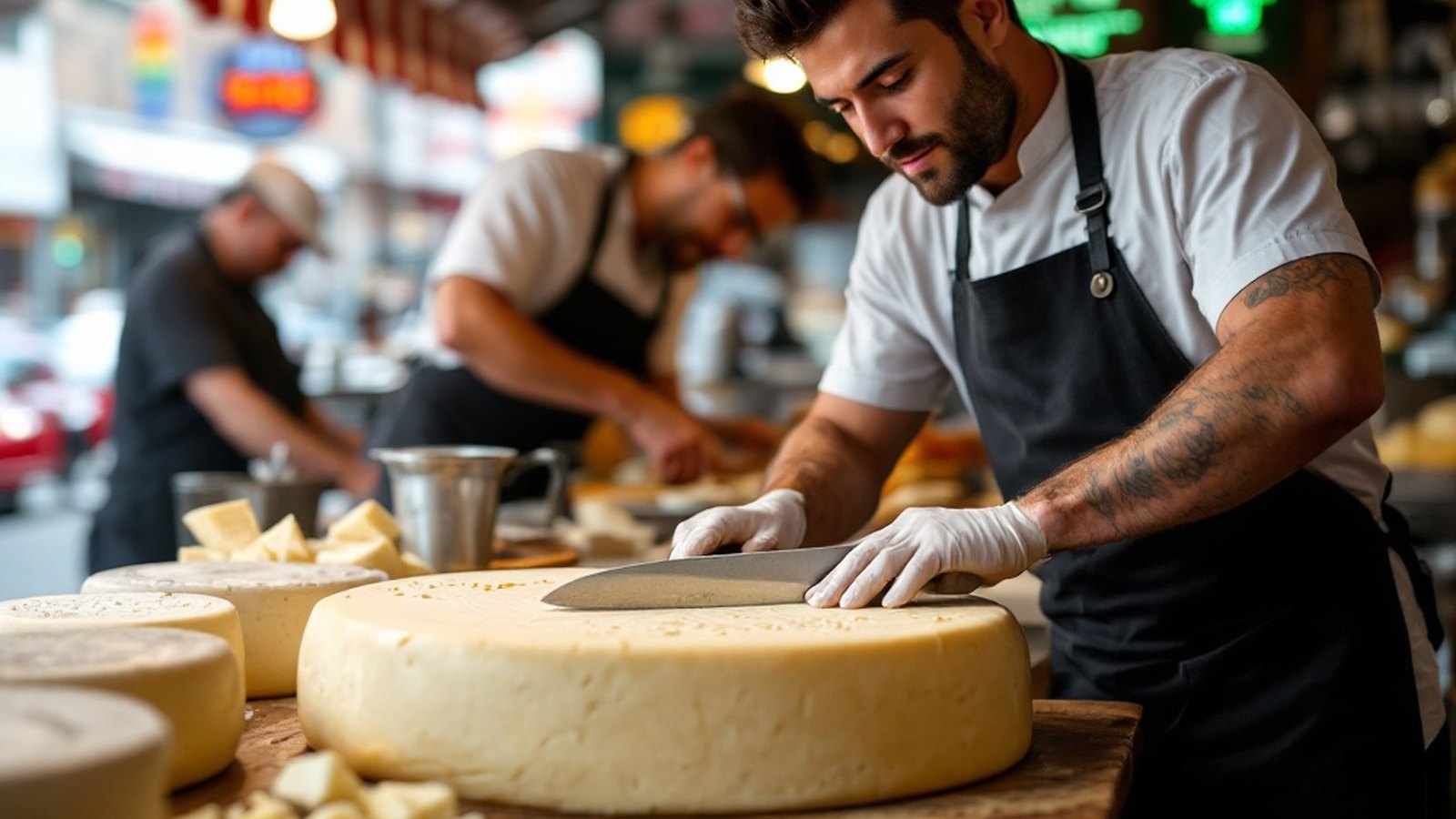
What Happens Behind the Counter
Dry-cured meats run alongside the cheese program: prosciutto, capicola, mortadella, bresaola, house-cut salami.
At Di Bruno's, the counter is a classroom if you're willing to let it be. The selection of specialty cheeses spans continents — aged Italian hard cheeses, bloomy French rinds, washed-rind styles from the Alps, domestic artisan wheels — but the Italian benchmarks are where the shop's identity lives. Parmigiano-Reggiano cut from the wheel, Pecorino Romano with genuine bite, Grana Padano for everyday grating, aged provolone hanging or stacked, fresh hand-pulled mozzarella. These aren't afterthoughts; they're the foundation.
The staff are trained to cut you a taste before you commit, to explain why one Parmigiano aged longer hits differently than a younger wheel, to match a cheese to what you're cooking Sunday or what wine you've got open. This isn't performance — it's the shop's actual selling method, unchanged in spirit since the counter was narrow and the neighborhood spoke Italian first. Walk in knowing nothing; walk out knowing what to buy for antipasto and what to reach for when the gravy needs finishing.
Dry-cured meats run alongside the cheese program: prosciutto, capicola, mortadella, bresaola, house-cut salami. The antipasti bar and prepared foods round out what's available, but the meats and cheeses are the reason to make the trip.
The Caves and the Import Program
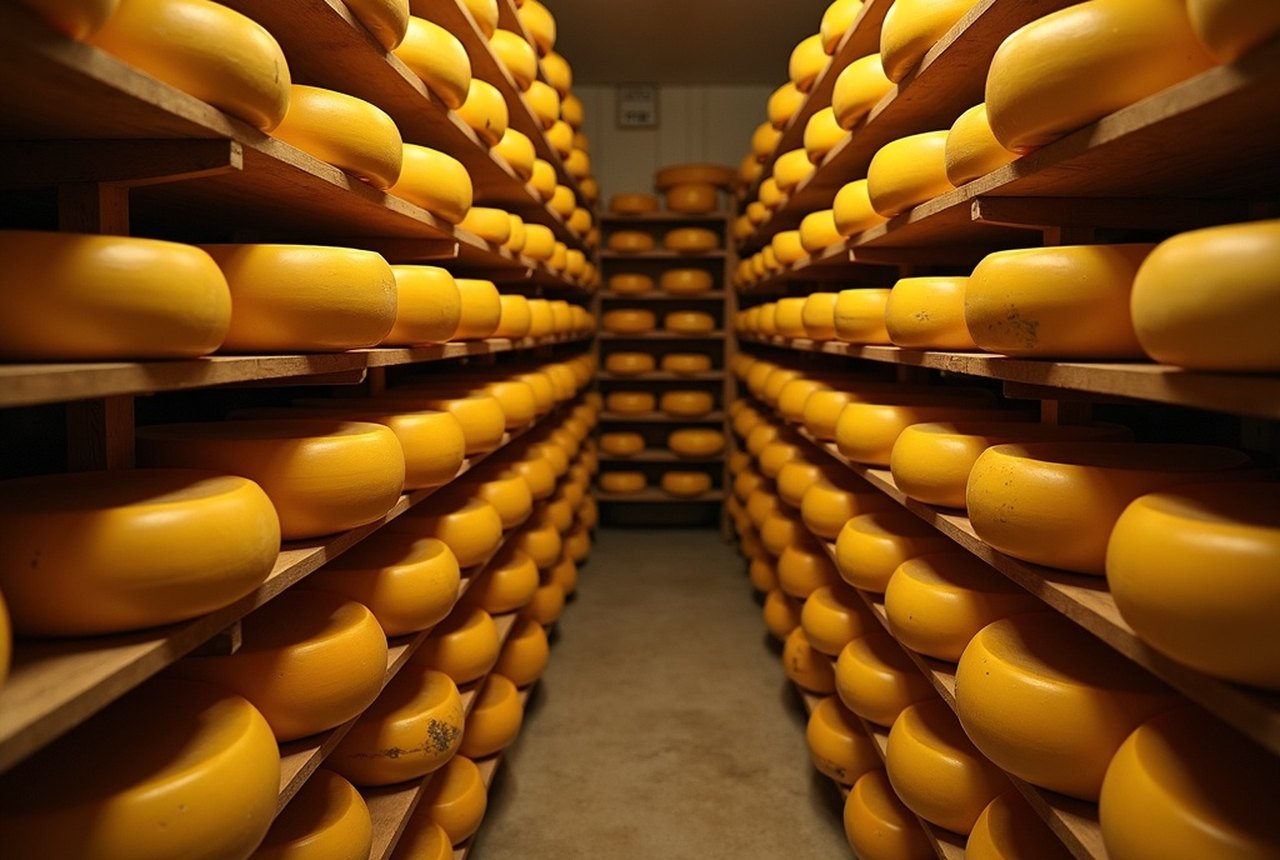
One of the more distinctive aspects of Di Bruno Bros. is its aging cave program — actual affinage, where selected cheeses are finished in-house to develop flavor and texture beyond what arrives from the producer. It's rare for a retail shop to operate at this level, and it signals something real about the ambition of the place.
The import program is equally serious. Di Bruno Bros. sources specialty imports directly, working with Italian producers and other European makers to stock items that don't show up in mainstream grocery stores: single-origin olive oils, estate-production balsamic vinegar from Modena, specialty pantry staples that home cooks and restaurant chefs both rely on. The shop functions as a pantry for serious cooks and as a discovery engine for people still learning what Italian-American cooking can be at its best.
Gift baskets assembled here — curated collections of aged cheese, cured meats, Italian pantry staples, olive oil — are genuinely useful rather than decorative, because the underlying products are worth having.
What to Ask For
First-timers: ask the counter person what just arrived or what's in peak condition. Then anchor yourself with a Parmigiano-Reggiano cut from the wheel — taste it against whatever you usually buy at the supermarket and understand the difference immediately. Pick up an aged provolone, sharp and slightly smoky, the kind that ends up on a proper South Philly sandwich. If they have a washed-rind wheel aged in-house, try it. If fresh mozzarella is made that day, buy it.
For cooking: stock up on Italian imports — good canned San Marzano tomatoes, a serious extra-virgin olive oil, pasta from a maker who does it right. The shop is designed for exactly this kind of purposeful pantry-building, and the staff are there to help you do it intelligently rather than expensively.
Di Bruno Bros. is not a theme-park version of Italian-American food culture. It is, eighty-plus years on, the real thing — a 9th Street institution that grew without losing what made it worth growing.
la cronologia- 1939Danny and Joe Di Bruno open a grocery stall on 9th Street, Italian Market
- Presentmultiple Philadelphia-area locations; original 9th Street store remains the flagship