There are places that survive by reinventing themselves every decade, chasing whatever the food world decides matters next. And then there is Ralph's, at 760 South 9th Street in South Philadelphia, which has been serving the same Sunday sauce since 1900 and considers that a point of pride rather than a limitation.
Ralph's is not merely old. It is, by most credible accounts, the oldest Italian restaurant in the United States still operating under the same family. That claim gets tested regularly in the food press, and it holds. What opened as a modest Southern Italian table in the heart of what would become the 9th Street Italian Market has outlasted two World Wars, Prohibition, the decline of the neighborhood, and its subsequent revival. The gravy, meanwhile, has remained essentially untouched.
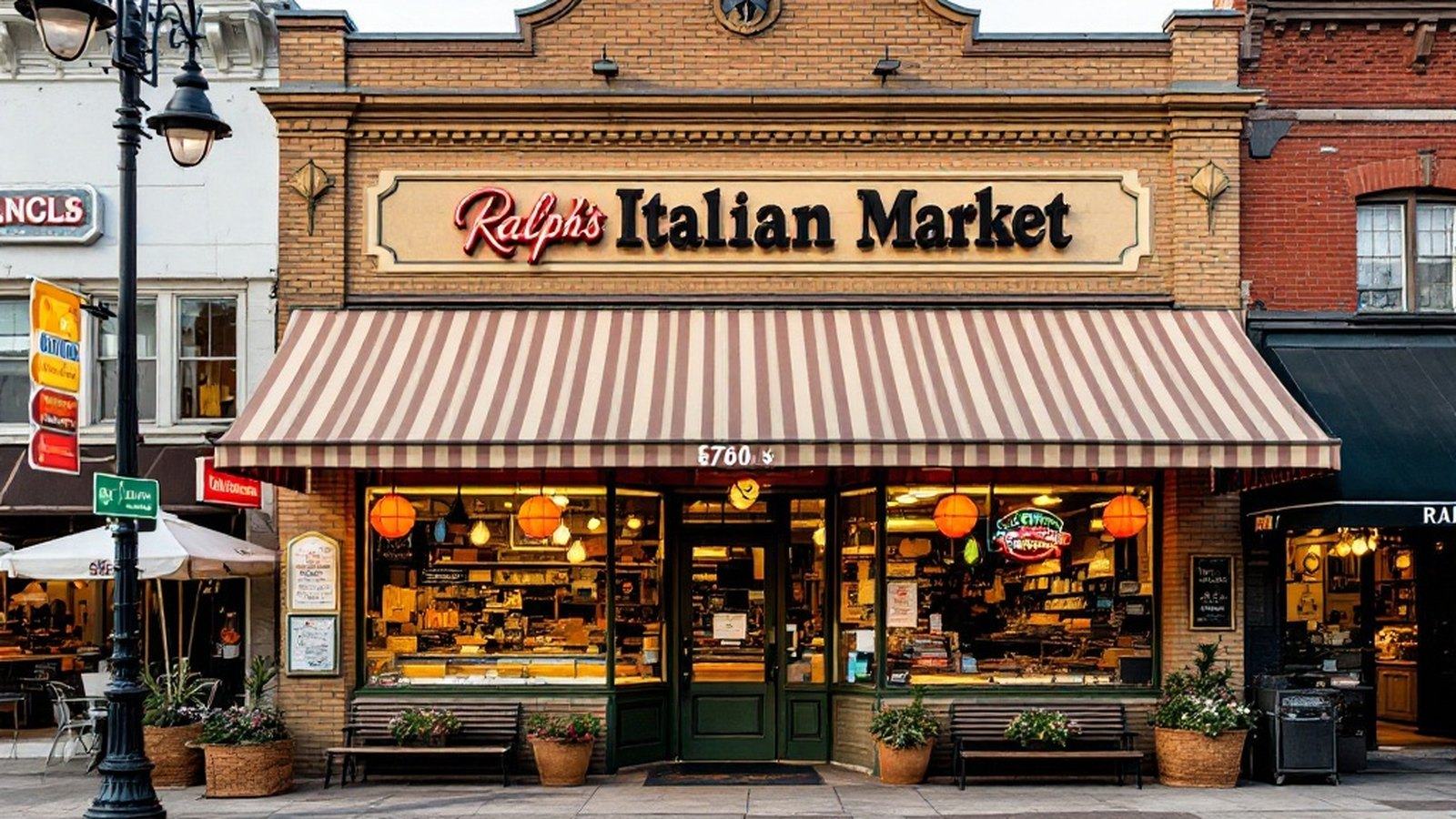
The Dispigno Family Table
That continuity matters because Italian-American cooking at its most honest is really family cooking scaled up.
The restaurant was founded in 1900 by Ralph Dispigno, an immigrant from the Campania region of southern Italy, and the family connection has never been severed. The Dispigno and then the Dispigno-Rubino line carried it forward across generations, and today the operation still runs as a family enterprise — the kind of place where the people seating you might share a last name with the person stirring the pot in back.
That continuity matters because Italian-American cooking at its most honest is really family cooking scaled up. The traditions behind Ralph's — slow-cooked Sunday sauce built on pork ribs, meatballs, and sausage; hand-rolled pasta; the kind of red-gravy abundance that was aspirational in immigrant households and nostalgic in their grandchildren's — did not emerge from a test kitchen. They emerged from the same cultural moment that filled the blocks around 9th Street with Sicilian, Neapolitan, and Calabrian families who grew their own basil, ground their own sausage, and considered a thin sauce a personal insult.
What You Actually Order
The menu at Ralph's is not long, and that is a feature. The pastas are the point: rigatoni with Sunday gravy, spaghetti and meatballs, linguine in clam sauce, ravioli stuffed with ricotta. The meatballs are large and tender, browned first and then finished in the sauce so they take on its color and character. The gravy itself — and calling it "sauce" in this building feels slightly illicit — is the slow-simmered, pork-enriched, deeply red kind that requires hours and patience and is not improved by shortcuts.
The dining rooms feel correspondingly unhurried. Red-checked tablecloths, family photographs on the walls, the particular comfort of a place that has no need to signal anything to you because it already knows exactly what it is. Tables here have seated Frank Rizzo and neighborhood grandmothers with equal ceremony, because at Ralph's both receive the same bread and the same gravy.
There is also a full bar and a wine list that does the job without pretension, and the chicken dishes — particularly the chicken cutlets — represent the other pillar of Southern Italian-American cooking that belongs alongside the pasta rather than as an afterthought.
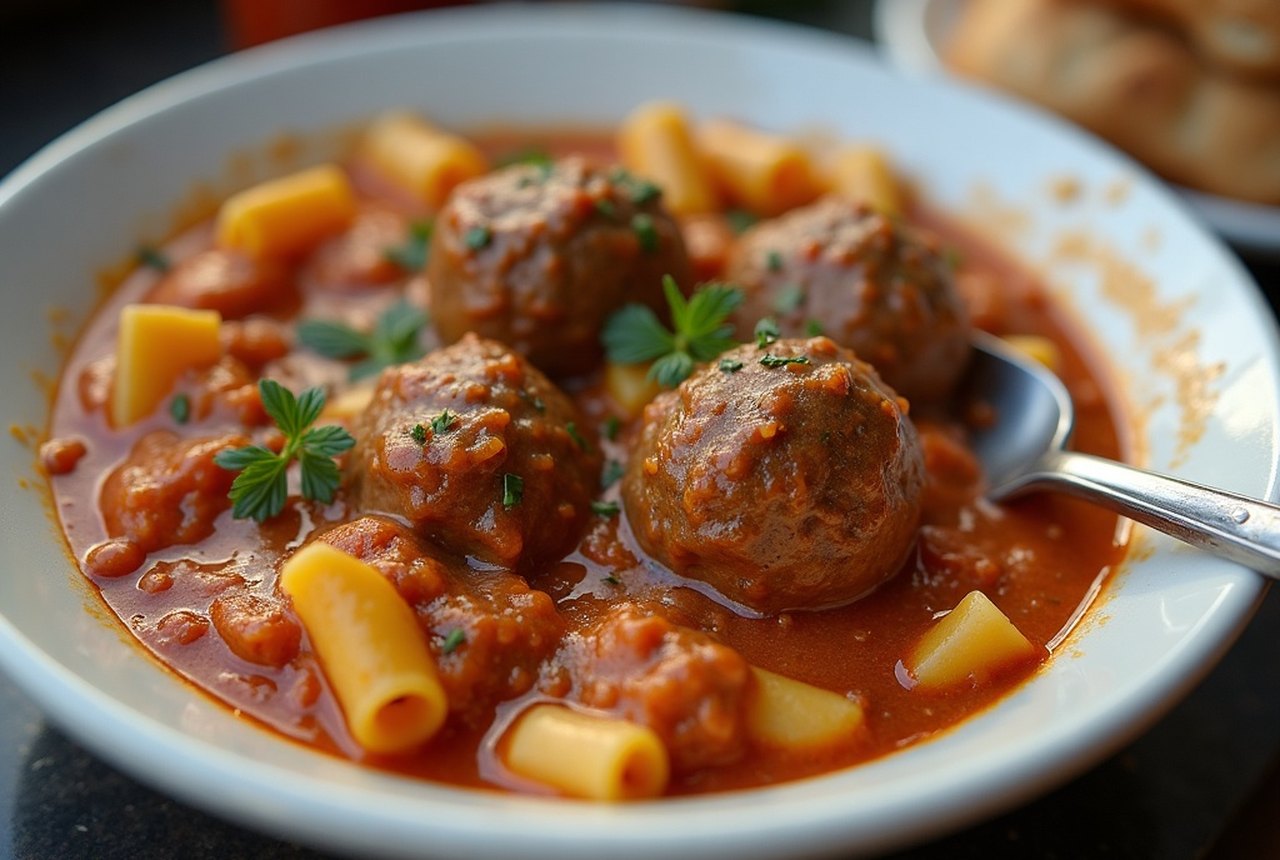
Why It Matters Beyond the Meal
Ralph's sits at the epicenter of a neighborhood that was, for the better part of the twentieth century, the most concentrated Italian-American community in Philadelphia. The 9th Street Italian Market — the open-air stretch of vendors, produce stalls, cheese shops, and delis that runs along 9th between Christian and Washington — surrounds it. Fante's cookware is nearby. Di Bruno Bros., founded in 1939, is a few blocks up. Sarcone's Bakery, baking since 1918, is around the corner.
In that context, Ralph's is not simply a restaurant. It is a fixed point — a place where the cooking of Campanian and Neapolitan immigrants from the early twentieth century is still practiced without irony or quotation marks. The cuisine it serves has been celebrated and appropriated and elevated and deconstructed by every generation of American food culture since, and Ralph's has watched all of it from 9th Street, kept the flame low under the gravy, and waited.
A reservation is recommended on weekends. Go hungry, and go with someone you can linger with — this is not a table you rush.
- 1900Ralph's founded by Ralph Dispigno on South 9th Street
- 1918Sarcone's Bakery opens nearby
- 1939Di Bruno Bros. established on 9th Street
- 2000s–presentRalph's designation as oldest Italian restaurant in the U.S. confirmed in national press