The Pot That Never Quite Empties
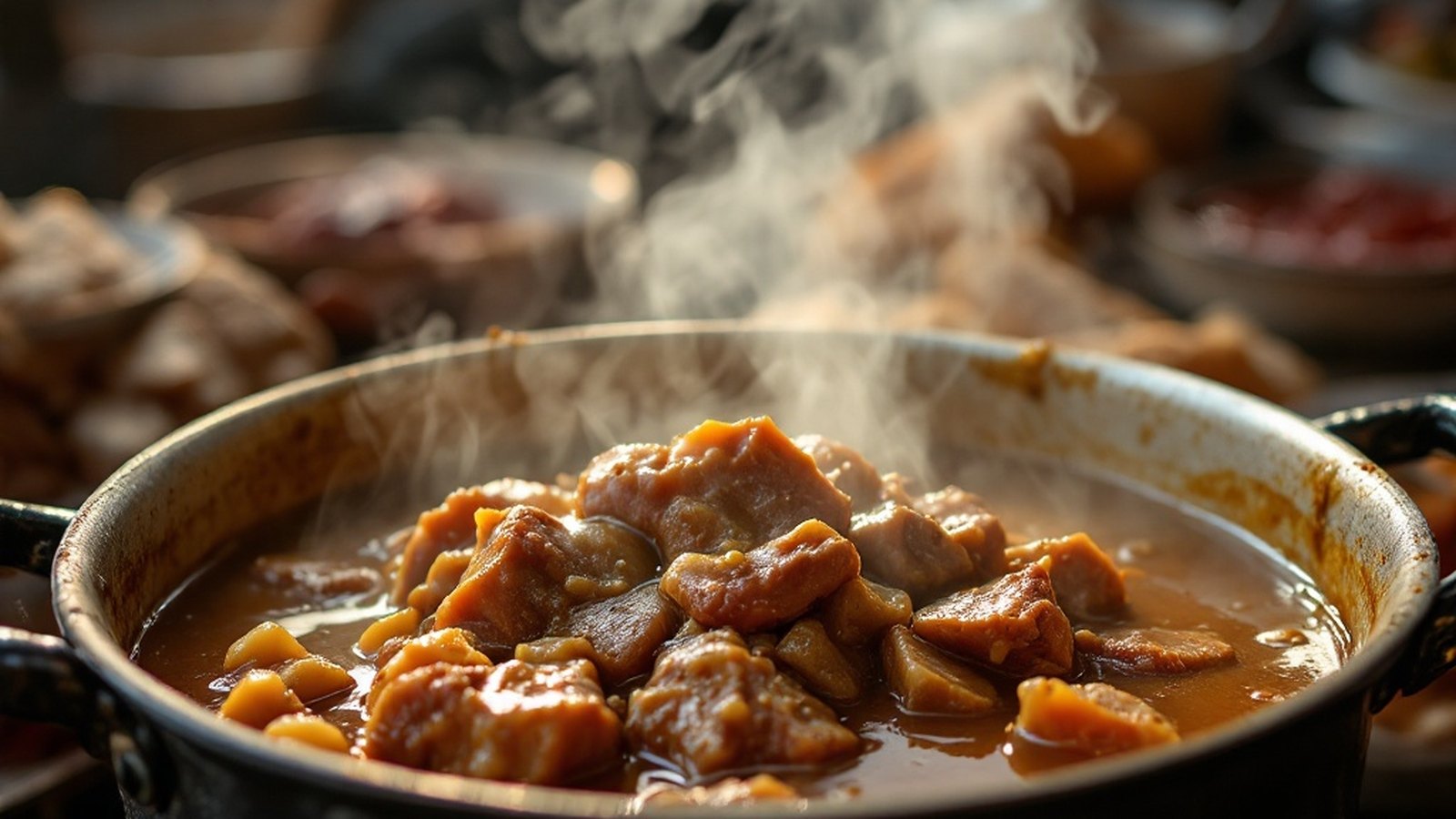
Sunday gravy is not a recipe. It's an argument, a ritual, and — if you grew up in South Philadelphia — a weekly reminder of who you are and where you came from. The argument starts with the meat. Some families brown bracciole first, rolling thin beef around hard-boiled egg, breadcrumbs, and parsley before tying them off and lowering them into the pot. Others insist on meatballs, pork ribs, or all three together, each cut lending something different to the sauce over two, three, sometimes four hours of low simmering. The result isn't what any trattoria in Rome would serve — it's something that evolved in South Philly tenements and row-house kitchens, built from what Italian immigrants could afford, seasoned by necessity, and passed down with fierce loyalty.
The gravy itself starts simply: good canned San Marzanos, garlic sweated in olive oil, a pinch of red pepper. What transforms it is time, and the collagen bleeding out of the meat. By the time it hits the table — over rigatoni, over a thick cut of bread from Sarcone's on 9th Street — the sauce has become something richer and more complex than any of its parts. La nonna stirs. Or used to. Now the grandchildren stir, and they know exactly what they're doing.
For generations, the 9th Street Italian Market has been where Sunday gravy actually begins — where families buy the pork ribs on Saturday morning, where the crushed tomatoes and the Parmigiano come from, where the bread for soaking up what's left in the pot gets tucked under an arm on the walk home. The market's reach into the South Philly kitchen is that direct, that physical.
Christmas Eve, Seven Times Over
On 9th Street in the days before Christmas, the stalls and shops do some of their biggest business of the year.
If Sunday gravy is the weekly pulse, the Feast of the Seven Fishes is the annual heartbeat. On Christmas Eve, the table at a proper South Philly Italian-American home fills not with meat — the Catholic tradition of la vigilia calls for abstinence — but with seafood, sometimes arriving in waves across an entire evening. Seven is the number most families hold to, though the theology behind it varies. Some cite the seven sacraments. Others shrug and say their grandmother did it, and that was reason enough.
The dishes themselves shift from family to family and block to block. Baccalà — salt cod — is nearly universal, usually soaked for days before Christmas Eve arrives and fried in a light batter or stewed with tomatoes and olives. Fried smelts appear on tables that haven't changed their menu in sixty years. Calamari gets served in red sauce or stuffed and braised. Clams in white wine, shrimp scampi, scungilli salad, linguine with clams — the roster rotates, but the intention doesn't. This is a meal designed to last, to pull people away from everything else for hours at a time, to talk and argue and pour more wine and come back to the table for one more thing.
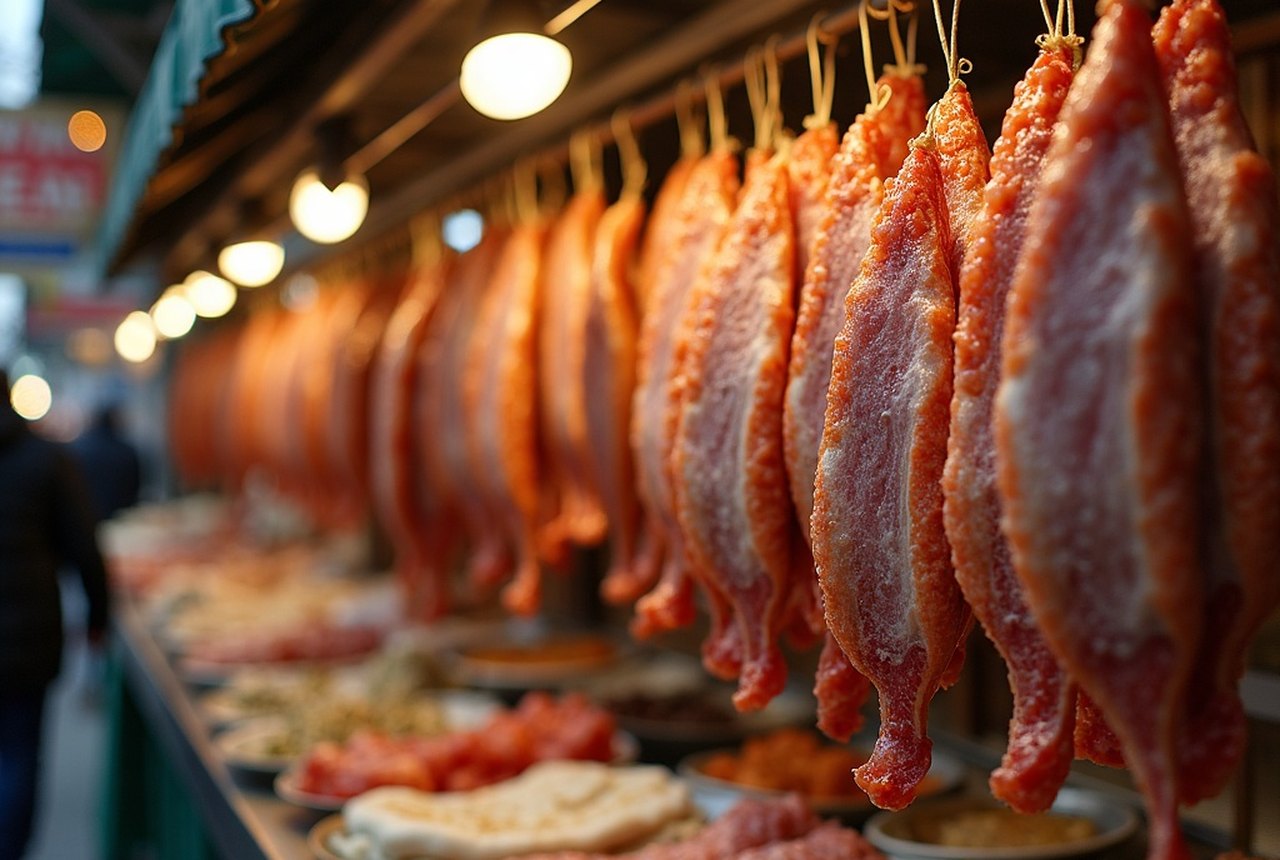
On 9th Street in the days before Christmas, the stalls and shops do some of their biggest business of the year. Whole baccalà hang ready to go home and soak. Bushels of littleneck clams sit on ice. The smell of the market sharpens with cold air and brine. Families who haven't been down in months show up to shop for Christmas Eve the way their parents and grandparents did — because some things don't get ordered online.
Why These Meals Still Matter
Neither of these traditions belongs to a restaurant, exactly, though plenty of South Philly red-gravy spots like Ralph's on 9th Street — open since 1900 — and Dante & Luigi's, which dates to 1899, know how to cook both. They belong to kitchens and families, to the accumulated knowledge of who adds fennel seed to the sausage and who doesn't, and to the understanding that the point was never just the food. The point was gathering everyone around a table and making something that took all day, then eating it together while it was still hot.
That's South Philly. That's the Italian Market. That's why both traditions are still going.
- Late 19th–early 20th centurySouthern Italian immigrants bring both traditions to South Philadelphia
- Christmas Eve, annuallyFeast of the Seven Fishes observed in Italian-American homes
- Every SundaySunday gravy ritual maintained across generations in South Philly kitchens