Start at Fitzwater and Walk South
You smell it before you see it. Somewhere between Fitzwater and Carpenter, the air picks up garlic, ripe tomatoes, and something frying — and 9th Street becomes the only street in Philadelphia that matters. The 9th Street Italian Market runs about seven blocks, from Fitzwater down to Wharton, and every serious visit demands the full walk before you buy a single thing. Scout first. Then circle back.
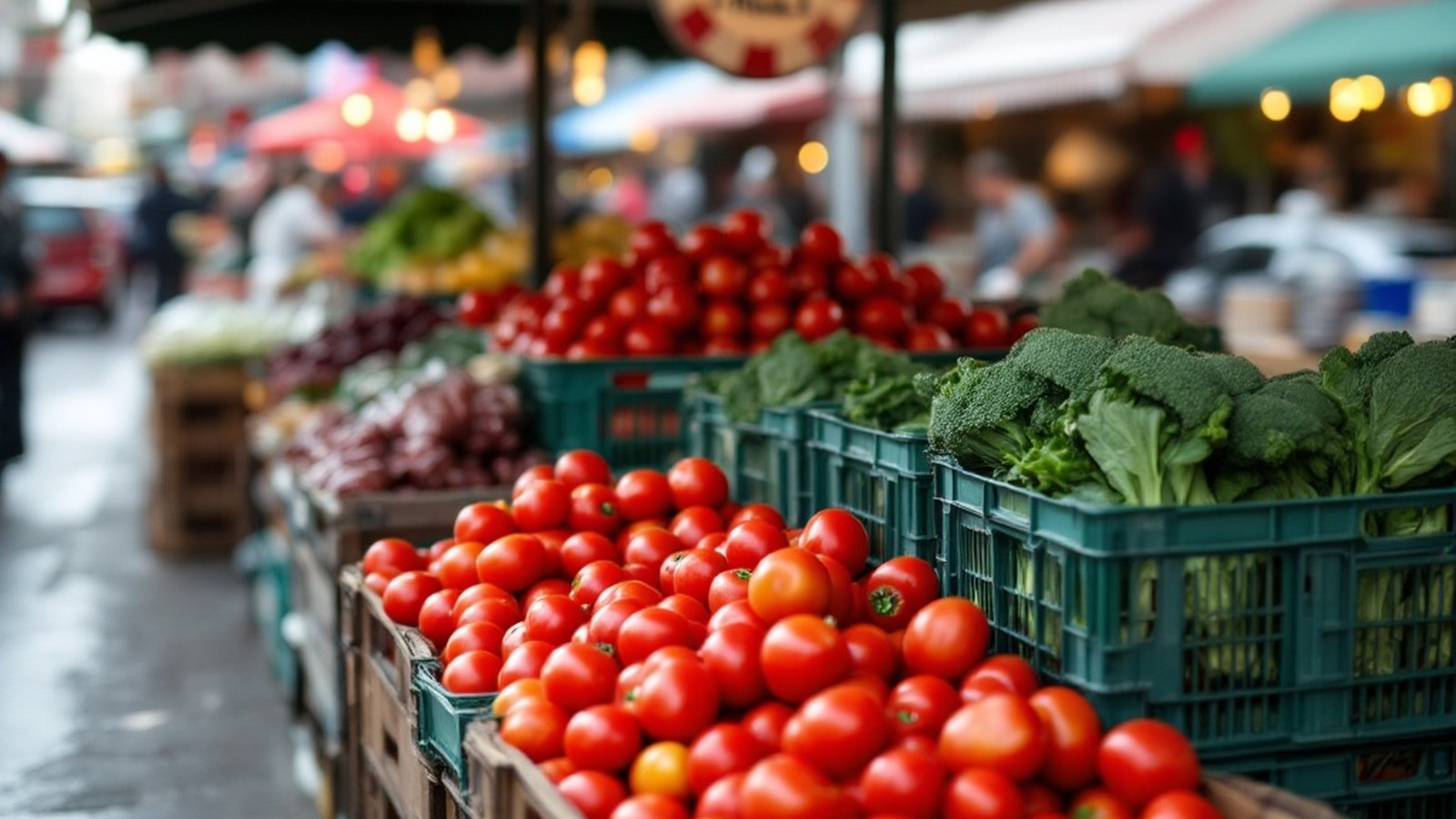
The northern end is produce country. The curb vendors here have been selling from the same spots, sometimes for generations — crates of Roma tomatoes stacked four high, bundles of flat-leaf parsley, bins of escarole and broccoli rabe that cost half what the grocery stores charge. In fall, the figs and chestnuts appear; in winter, cardoons for the Christmas table. Buy what looks alive. Haggle gently, or don't — the prices are already fair.
The Middle Blocks: Where the Landmarks Live
Orianna Street splits the market roughly in half, and the stretch on either side of it is the densest.
Orianna Street splits the market roughly in half, and the stretch on either side of it is the densest. This is where the awnings crowd together and the foot traffic thickens.
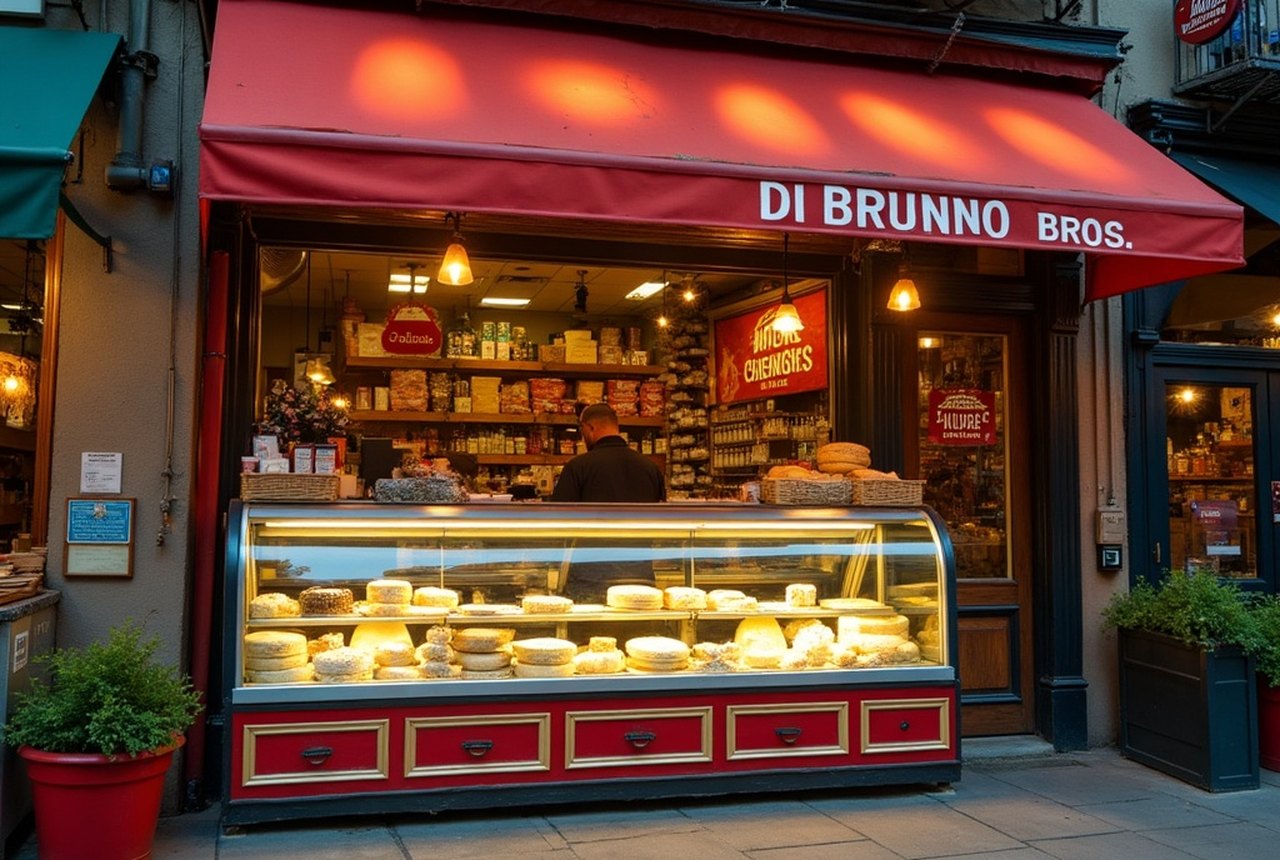
Sarcone's Bakery, open since 1918, is worth orienting your whole morning around. The seeded Italian loaf here — crisp crust, open crumb, properly salty — is the loaf against which every other South Philly bakery is measured. Come before noon, because they sell out. One door down from whatever you think is the cheese shop, you will find the actual cheese shop, and it will probably be Di Bruno Bros., whose original 9th Street location dates to 1939. The brothers first opened a humble storefront selling imported provolone and aged pecorino; today the selection runs to wheels of imported Parmigiano-Reggiano cracked to order, fresh house-pulled mozzarella, and more varieties of aged cheese than you will process on a first visit. Ask whoever is behind the counter what's good today. They will tell you.
Fante's Kitchen Shop, in business on 9th Street since 1906, sits on the west side of the block and is the quiet marvel of the market. It is a kitchen supply store selling pasta machines, chitarra cutters, madeleine pans, and stovetop espresso makers — the sort of place that makes you realize you have been cooking without the right tools your entire life. Tourists overlook it. Don't.
The deli counters intensify through this stretch. Cured meats hang in windows — capicola, sopressata, dry-cured links of various provenance. At any decent counter, a sharp provolone or a few slices of mortadella cost almost nothing and eat beautifully standing on the sidewalk. This is encouraged, or at least tolerated.
South Toward Wharton: The Fish, the Meat, the Finish
The southern blocks tilt toward butchers and seafood, and the market feels older here, less visited by newcomers. This is where you find the Torino Meat Market & Deli style of operation — a counter where the staff knows their cuts, where custom work is done without ceremony, and where a conversation about Sunday gravy could break out at any moment without warning.
Fish vendors — some under awnings, some from the back of vehicles, some in storefronts that have barely changed since the postwar years — sell whole branzino, salt cod by the piece, and shrimp still smelling of the ocean. In December, the vendors stocking baccalà and the seven varieties of seafood required for the Feast of the Seven Fishes are doing serious business. This is where that tradition lives in Philadelphia, at its most practical and least precious.
By the time you reach Wharton Street, your bags are heavy and your sense of what food should cost has been permanently recalibrated. The walk is less than a mile. It connects a century of immigration, labor, and stubborn cooking tradition — Abruzzese, Calabrese, Sicilian families who came to this corridor and built something that still feeds a city.
- 1906Fante's Kitchen Shop opens on 9th Street
- 1918Sarcone's Bakery founded
- 1939Di Bruno Bros. opens original 9th Street storefront
Go on a Saturday. Wear shoes you can stand in. Bring cash and a tote bag, and leave room for a seeded roll eaten on the curb.