Walk the eight blocks between Wharton and Fitzwater and you'll understand why South Philly's 9th Street Italian Market has outlasted every trend, every supermarket chain, and every urban renewal scheme thrown at it.
The Market That Refused to Die
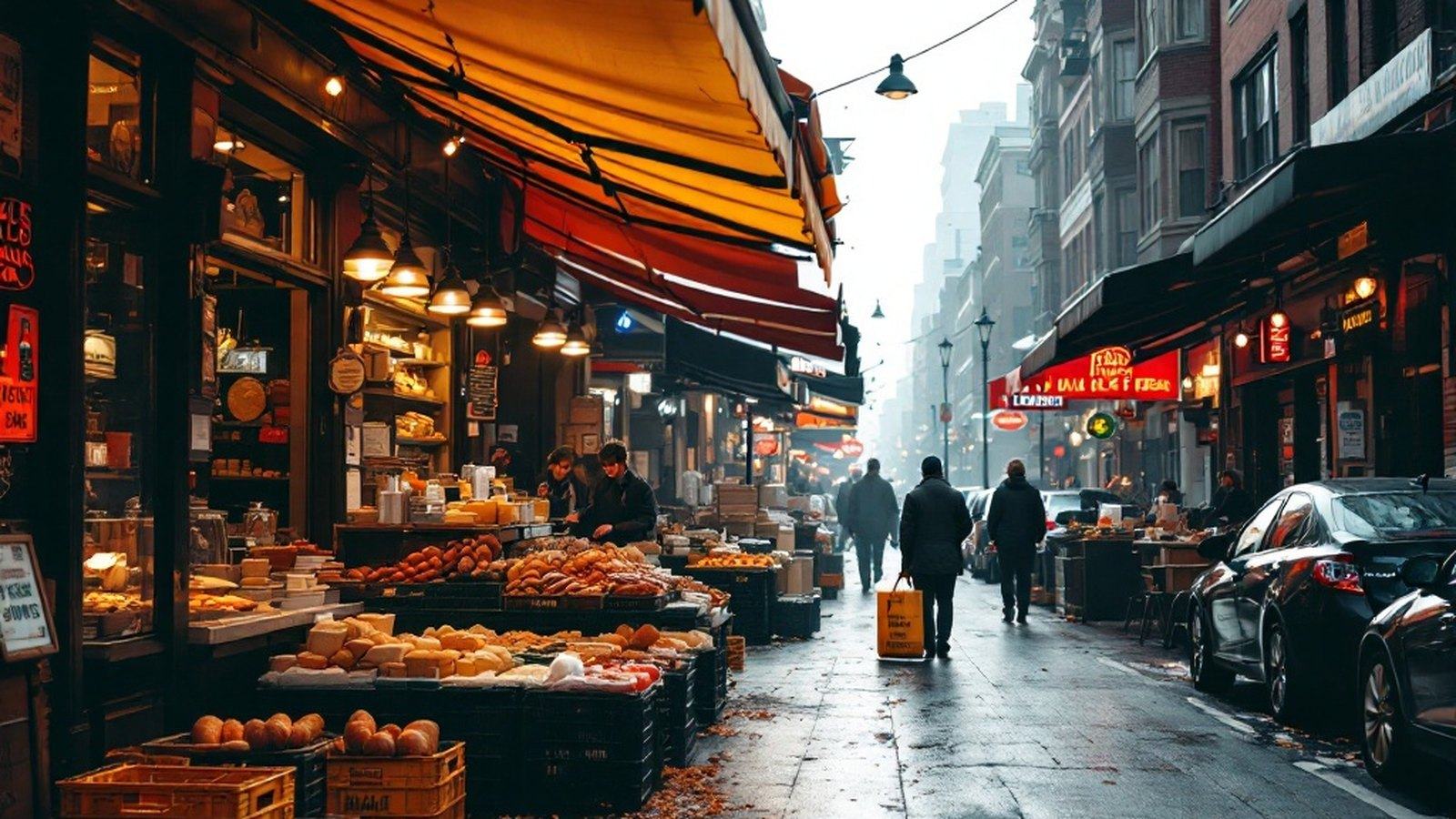
There's a particular kind of Saturday morning on 9th Street that doesn't exist anywhere else in Philadelphia — maybe anywhere else in America. The crates go out before dawn. By eight o'clock, garlic ropes are hanging, blocks of aged cheese are being unwrapped, and the fish vendors have already iced their beds twice. The awnings, striped and salt-faded, shade a continuous corridor of commerce that stretches eight city blocks through the heart of South Philadelphia, and if the scene feels old, that's because it is. The 9th Street Italian Market is widely recognized as the oldest continuously operating outdoor market in the United States, a distinction that means something different when you're standing in the middle of it than when you read it on a sign.
The market took shape in the late nineteenth and early twentieth centuries, as waves of immigrants — overwhelmingly from southern Italy, from Abruzzo, Calabria, Sicily, and Campania — settled into the rowhouses that run south from Washington Avenue. They brought their food culture with them intact: a preference for fresh ingredients bought daily, a distrust of anything pre-packaged, and a habit of knowing the person who sold you your tomatoes. The pushcart vendors who first worked this stretch of 9th Street were building, without quite knowing it, one of the most durable commercial institutions in American urban life. More than a century later, the vendors are still there. The food is still good. The argument about whose sausage is best is still unresolved.
What the market offers is different in kind from what a specialty grocer or a well-stocked supermarket offers, and the difference isn't primarily about selection, though the selection is serious. It's about proximity — to the source, to the person doing the selling, and to the accumulated knowledge of a community that has been cooking this food for generations. The vendor who tells you the crabs came in this morning isn't reciting a marketing line; she watched them come off the truck. That's the transaction the 9th Street Italian Market still makes possible, and it's rarer than it should be.
Stall by Stall: What You'll Actually Find
Pasta on 9th Street comes in two modes: the handmade, and the artisan-dried, and both are worth attention.
Produce is where most visits begin, and the produce stalls are where the market's character is most immediately legible. Garlic — loose-skinned, pungent, the kind that actually smells like garlic — piles up beside bell peppers in red, yellow, and green, bunches of flat-leaf parsley, hot cherry peppers packed in brine, and whatever the season insists upon. In summer, plum tomatoes come in by the case; in fall, butternut squash and broccoli rabe. Nothing here is decorative. These are working-kitchen vegetables, priced for people who cook seriously and buy regularly, and the vendors know their customers' habits the way any merchant knows a returning clientele. Bring a bag. Don't expect stickers.
Cheese on 9th Street ranges from the everyday to the genuinely exceptional. Fresh mozzarella — hand-pulled, still warm, yielding and milky in a way that the supermarket version rarely manages — is the anchor product, and serious cooks plan their week around it. Alongside it you'll find aged Parmigiano-Reggiano cut from the wheel rather than pre-grated into a green canister, sharp provolone hung in the old style, and imported pecorinos that actually taste of the sheep. A few stalls carry broader selections: cottage cheese, aged cheddars, softer domestic cheeses for households that cook across traditions. But Italian-American staples — the mozzarella, the provolone, the hard grating cheeses — are the heart of it, and they're consistently better here than almost anywhere else in the region.
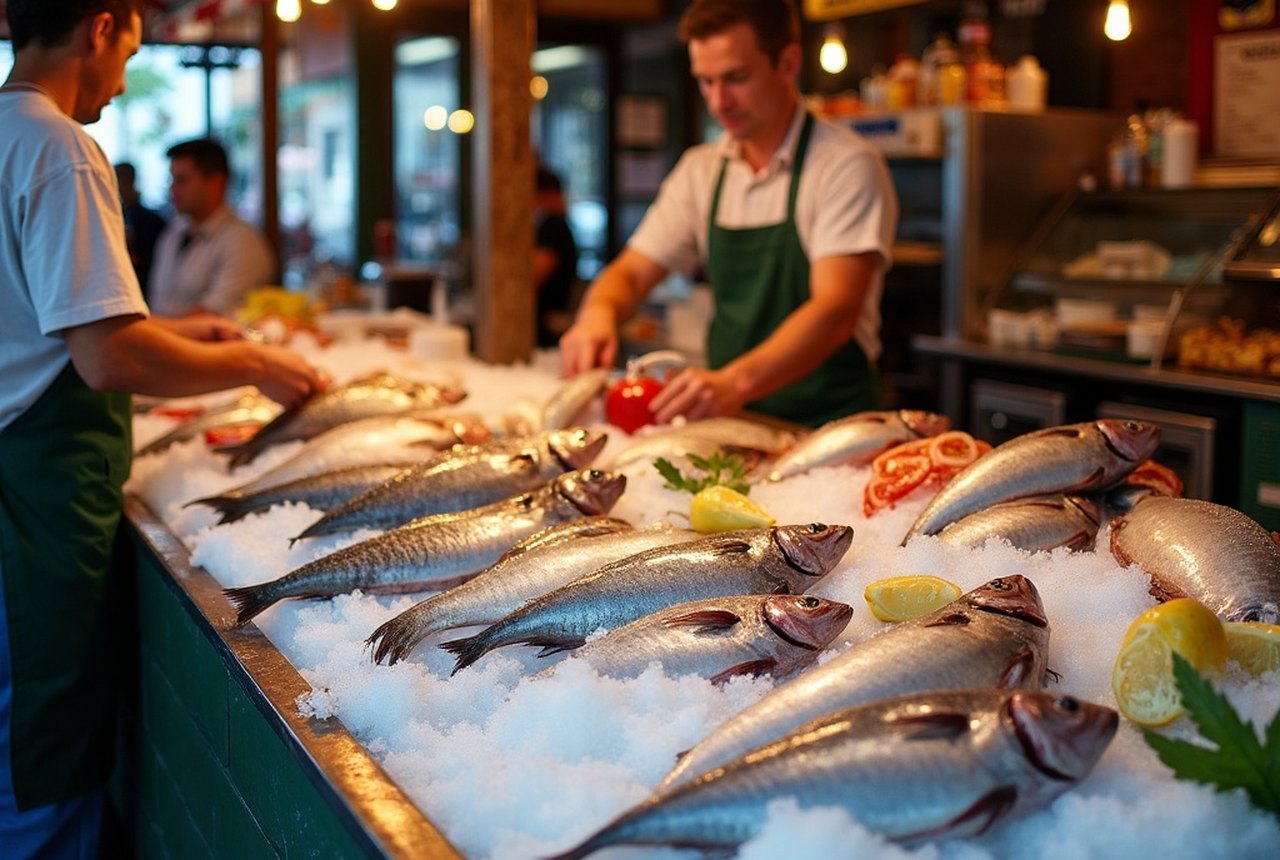
Seafood at the market operates on a logic that rewards early arrival. The fish cases and open-air ice beds carry shellfish, whole fish, and prepared cuts, and the turnover is fast enough that freshness isn't an aspiration — it's a given. Mussels, clams, squid, and octopus are reliable presences; blue crabs appear when the season allows; whole branzino or sea bass show up alongside the more expected salmon and tuna fillets. Pricing tends to be significantly fairer than what you'll find at a fish counter inside a grocery store, partly because the overhead is lower, partly because the vendor's reputation depends on what the fish looks like tomorrow. The tradition of buying whole fish and asking for it to be cleaned on the spot — a negotiation conducted in varying ratios of English and Italian — is not dead here.
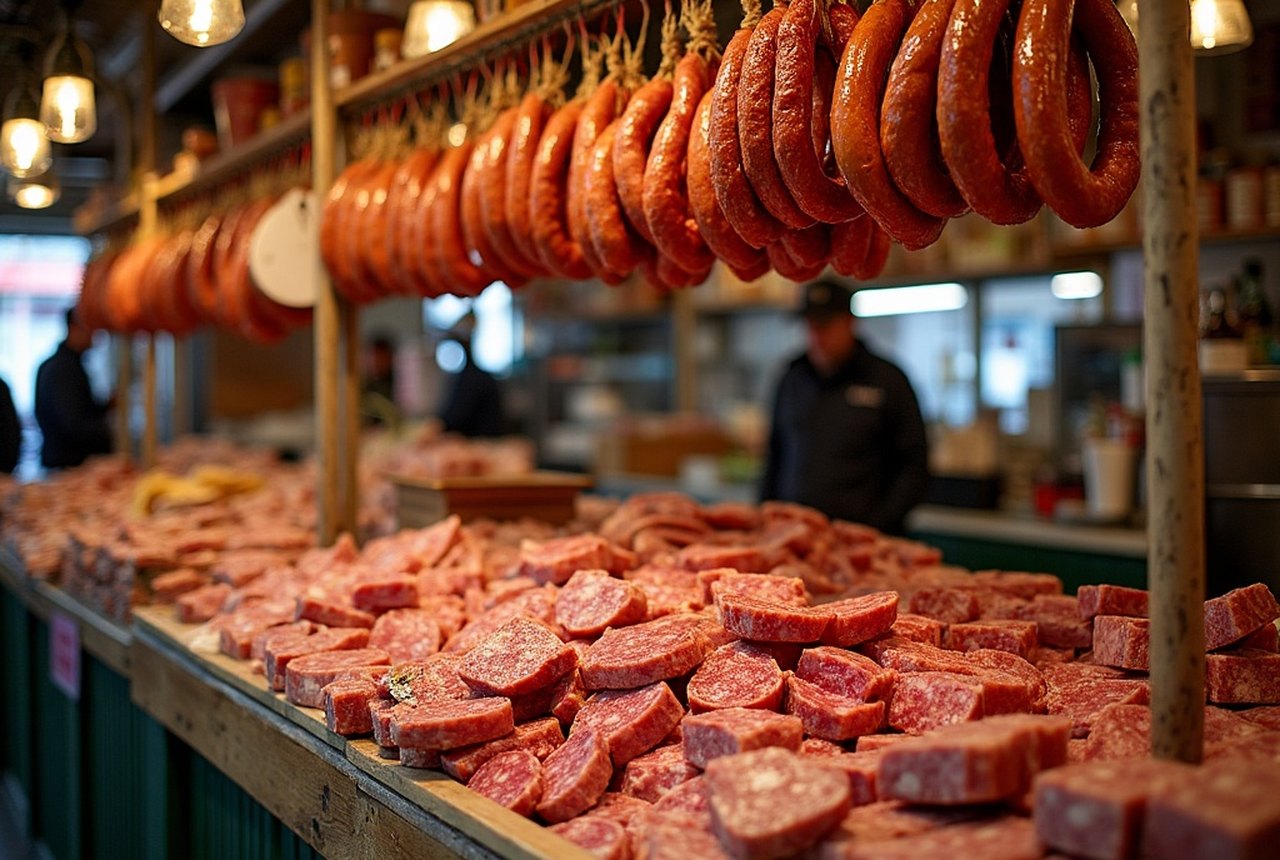
Meat and charcuterie stalls offer a range that reflects both Italian-American tradition and the broader appetites of a neighborhood that has always been culinarily omnivorous. Pork in every useful cut, beef, lamb, and chicken share cases with house-made sausage — fennel, hot, sweet, and variations that individual vendors guard with some pride. A few stalls carry more unusual proteins: boar occasionally appears, and the butchers will often custom-cut to order in a way that the pre-packaged meat section of a chain supermarket structurally cannot. The charcuterie selection — capicola, pancetta, mortadella, bresaola, dry-cured salami in several regional styles — is the kind of counter you can spend twenty minutes at without making a decision, which the vendors, to their considerable credit, understand and tolerate.
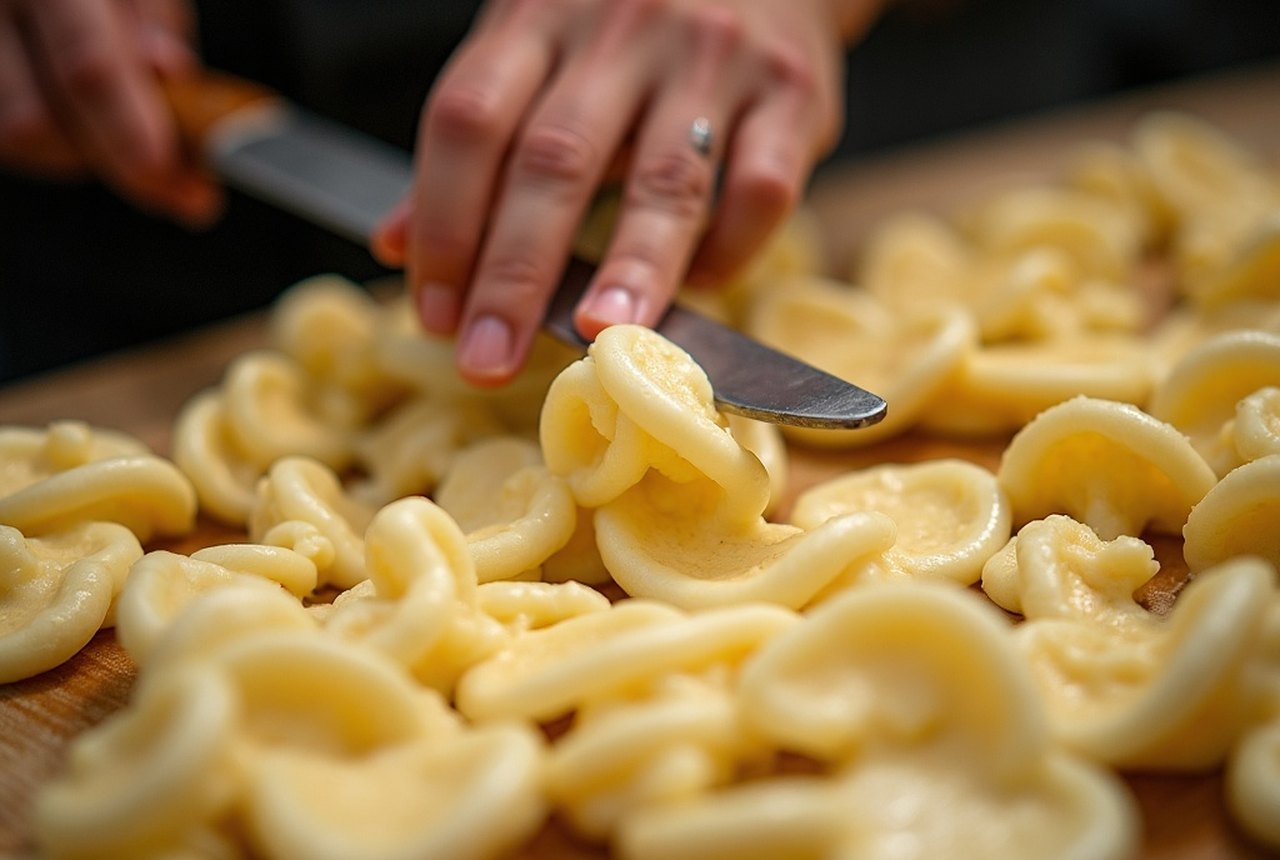
Pasta on 9th Street comes in two modes: the handmade, and the artisan-dried, and both are worth attention. Fresh pasta — wide ribbons of pappardelle, sheets for lasagna, ravioli stuffed with ricotta or meat — is made with the kind of simple, honest craft that the word "handmade" has been so diluted by marketing it barely conveys. The dried pasta on offer at the market's specialty food stalls tends toward the regional and specific: imported shapes from producers in Campania or Abruzzo that cook differently — more texture, more grip on sauce — than the commodity brands that fill supermarket shelves. This is the pasta that actually makes a difference to a finished dish, and buying it here, often with the vendor's cooking opinion freely offered, is part of what the market is for.
Spices and pantry staples fill the gaps that define a serious Italian-American kitchen. Everyday herbs — dried oregano, bay leaves, red pepper flakes — sit alongside less common blends and imported preparations that a dedicated cook will recognize immediately and a curious newcomer will find worth exploring. Breadcrumbs, seasoned and plain, house-made tomato sauces in jars, olive oils of varying provenance, vinegars, dried beans and lentils: the pantry section of a 9th Street shopping trip can be as substantial as the fresh-food section, and it's where the market's function as a weekly destination rather than an occasional novelty becomes clearest. People who shop here aren't shopping for the experience. They're shopping because this is where the good stuff is.
Baked goods and desserts are the emotional punctuation of any visit to the market. The bakery cases carry fresh bread — seeded Italian loaves, rolls for sandwiches, braided breads that appear around holidays — alongside a rotating selection of cookies, biscuits, and the kind of birthday cake that neighborhood bakeries produce without self-consciousness: solid, generous, and exactly as sweet as it's supposed to be. Pastry traditions run deep in this neighborhood; the proximity of institutions like Termini Brothers (founded 1921) on 8th Street is no coincidence. The bakery culture of the Italian Market is a long conversation between the old country and the American sweet tooth, and the 9th Street vendors are still very much in it.
| Counter | What it does best | Order like a local |
|---|---|---|
| Produce | Working-kitchen vegetables, priced for people who cook | Loose garlic, flat-leaf parsley, whatever the season insists on |
| Cheese | Hand-pulled mozzarella, still warm | Parmigiano cut from the wheel, sharp provolone hung old-style |
| Seafood | Fast turnover — freshness is a given, not an aspiration | Whole branzino, cleaned on the spot; mussels and squid |
| Meat & charcuterie | House-made sausage, custom cuts to order | Capicola, pancetta, mortadella — give it twenty minutes |
| Pasta | Handmade fresh, artisan-dried imports | Pappardelle, ricotta ravioli, shapes from Campania and Abruzzo |
| Pantry | The weekly-destination shelf | Breadcrumbs, olive oils, brined cherry peppers, dried beans |
| Baked goods | The emotional punctuation of the visit | Seeded Italian loaves, holiday braids, an unselfconscious birthday cake |
Markets like this one survive when they have something that can't be replicated at scale.
Why It Holds
Markets like this one survive when they have something that can't be replicated at scale. The 9th Street Italian Market has several such things, but the most important isn't any particular product — it's the continuity of practice. Families that sold here two generations ago have children and grandchildren selling here now. Recipes for house-made sausage and fresh pasta and spice blends have traveled intact through decades because someone in the family was paying attention. The knowledge embedded in those stalls is genuine, specific, and not easily sourced elsewhere.
The market is not precious about any of this. It doesn't sell itself as a living museum or a tourist attraction, though visitors who find their way to South Philadelphia invariably end up here, and they invariably leave carrying more than they planned to. The stalls go up in the cold and the heat alike. The vendors know their regulars by name and their regulars' preferences by memory. The produce is seasonal because that's what grows, not because it's branded as such.
That's the 9th Street story: a market that has been doing the same essential thing — connecting people who grow and make food with people who cook it — for well over a century, without fuss, without apology, and without any particular interest in being admired for it. Come on a Saturday morning. Bring cash. Bring a good bag. And give yourself more time than you think you need.
- Late 19th–early 20th centurySouthern Italian immigrants settle South Philadelphia; pushcart vendors establish 9th Street market
- 1921Termini Brothers founded nearby on 8th Street
- Presentmarket continues as oldest continuously operating outdoor market in the United States
Come on a Saturday morning. Bring cash, bring a good bag, and give yourself more time than you think you need.