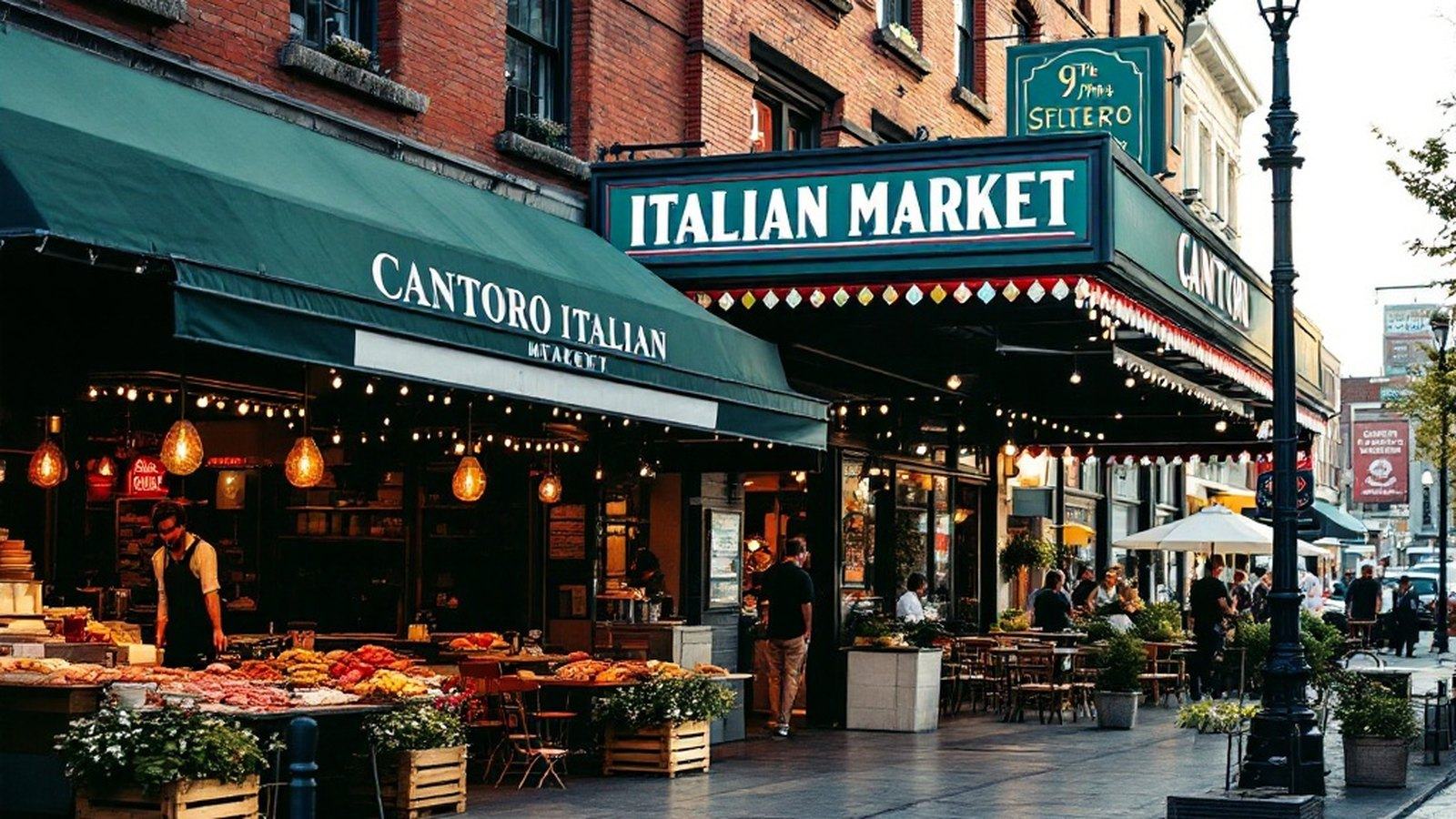
Cantoro Italian Market in Plymouth, Michigan, shows what happens when a family's Italian roots become a 55,000-square-foot obsession.
The Fallone Family and the Markets of Rome
There is a direct line from Mario Fallone's birthplace in Italy to a parking lot in Plymouth, Michigan — and it runs through decades of family travel, sourcing trips, and the kind of stubborn conviction that authentic ingredients are worth the extra mile. Mario's sons, John and Michael Fallone, built Cantoro Italian Market with that inheritance in mind: a destination modeled on the great covered markets of Rome, stocked from the same producers and regions their family had been visiting for years.
The scale is hard to ignore. At 55,000 square feet, Cantoro operates as market, restaurant, and event space simultaneously — more ground than most American food halls dare to claim, and organized with enough departments that a first-time visitor can easily spend two hours without backtracking. What keeps it from feeling like a warehouse is the consistency of the standard: imported and domestic products are chosen as if the Fallones are still shopping for their own table, not filling shelf space.
For Philadelphians, there is something recognizable in this model. The 9th Street Italian Market in South Philadelphia — America's oldest continuously operating outdoor market — grew from the same immigrant impulse: bring what you know, find what you cannot find anywhere else, and build a place where the community can eat the way it wants to eat. Cantoro relocates that tradition indoors and expands it, but the animating logic is identical.
What's Under the Roof
The fresh pasta section runs deep: cavatelli, spinach gnocchi, and a rotating selection of handmade shapes.
The bakery is the first place to slow down. Cannoli, tiramisu, sfogliatelle, zeppole, and panforte are all made in-house — the sfogliatelle alone, with their layered shell-shaped pastry and ricotta filling, are the kind of thing Philadelphia visitors will recognize immediately from the cases at Termini Bros. or Isgro Pastries on Christian Street. Seeing them done well in Michigan is a small, pleasurable surprise.
The fresh pasta section runs deep: cavatelli, spinach gnocchi, and a rotating selection of handmade shapes. The cheese counter stocks both domestic and imported varieties, with staff available to talk through pairings rather than just point at the labels. The kitchenware section carries pasta machines, pizzelle irons, espresso makers, and artisan pieces sourced directly from Italy — the kind of equipment that turns up in South Philly kitchens that have been cooking the same Sunday gravy recipe for three generations.
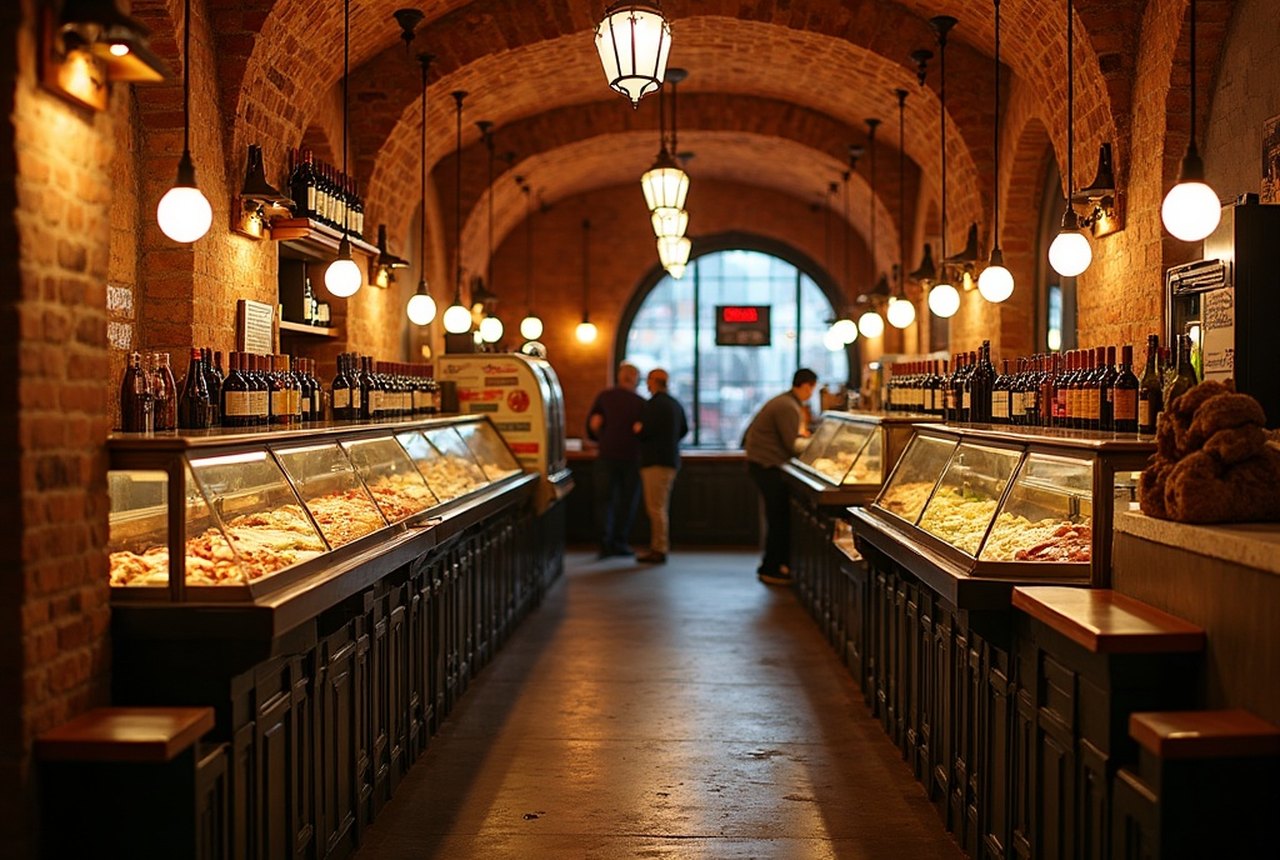
La Cantina is the detail that earns its own paragraph. An underground wine cellar stocking an extensive Italian and domestic collection, it functions as a destination within the destination. The practical advice: stop there first, let staff recommend a bottle suited to what you plan to cook, and carry it with you while you shop. It changes how you look at everything else on the shelves.
Gift baskets, custom-built from market products and available year-round at any budget, round out a retail offer that handles everything from a hostess gift to a corporate order.
The Trattoria and the Event Operation
Cantoro's trattoria — the casual restaurant attached to the market — runs on seasonal ingredients and the kind of unhurried Italian-American cooking that doesn't require explanation. It is the natural landing place after a long loop through the departments, and it handles private dining for everything from birthday gatherings to baby showers with the same kitchen.
The wedding and event operation goes further: décor, florals, printed invitations, rentals, and off-site catering are all available, making Cantoro one of the more complete Italian event resources in the Midwest. The off-site catering arm extends the kitchen beyond Plymouth, which is something any visitor who has tried to replicate the 9th Street experience at home will understand immediately.
What Cantoro demonstrates — and what Philadelphia's own market tradition has demonstrated for well over a century — is that Italian food culture travels best when it travels whole. Not a single product, not a single dish, but the full ecosystem: the bread, the pasta, the wine, the cheese, the pastry, and the room full of people who grew up eating all of it together.